Printed T-Shirt Care Checklist: What to Do and What to Never Do
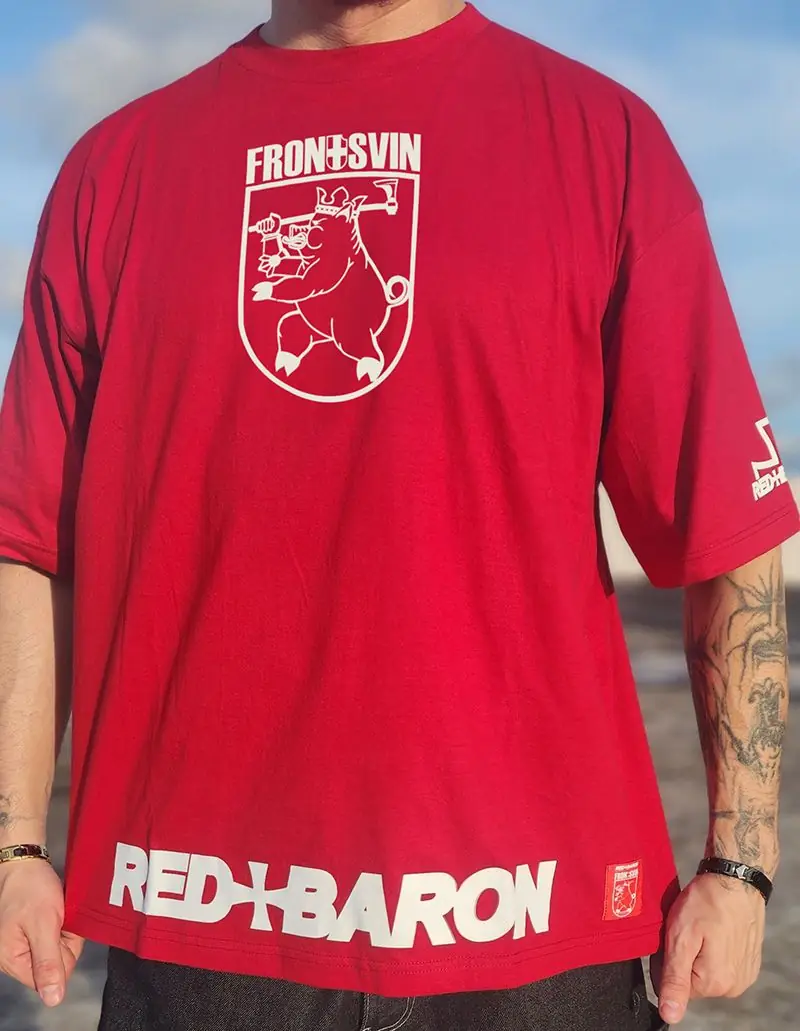
A well-made print can last for years, yet most graphic T-shirts are ruined not by wear but by washing. The problems are almost always the same: heat, friction and harsh chemicals. This checklist covers the full life of a printed shirt, from the first wash to long-term storage.
Before the first wash
Read the care label and keep it simple. New garments can release a little dye, so wash dark and light colours separately for the first few times.
- Check the label for temperature and cycle limits
- Wash the shirt separately from jeans and zips for the first cycle
- Do not soak the shirt for hours in water or detergent
- Do not use stain removers directly on the print
Washing
The goal is to protect the print from rubbing against other fabrics and from aggressive cleaners.
- Turn the shirt inside out
- Use cold or lukewarm water
- Choose a gentle cycle and a mild detergent
- Fasten zips and buttons on other garments in the same load
- No bleach, ever
- No fabric softener on printed areas, as it can weaken the bond of some prints
- Do not overload the machine; clothes rubbing together damage the surface
Drying
Heat is the main enemy of prints, so go slowly here.
- Air dry on a hanger or flat on a rack
- If you use a dryer, choose the lowest setting and take the shirt out slightly damp
- Dry in the shade; strong sun fades colour
- Do not tumble dry on high heat
- Do not dry on a hot radiator
Ironing
Many shirts need no ironing if you hang them straight after washing. If you must iron:
- Turn the shirt inside out
- Use a low temperature setting and a thin cloth between the iron and the fabric
- Never press directly on the print
- Never use steam on the printed area
Stains
Act quickly and gently. Blot the stain, do not rub it. Rinse from the back of the fabric with cold water, then wash as usual. Check that the stain is gone before the shirt goes in the dryer, because heat can set it for good.
Storage
- Fold the shirt instead of hanging it for long periods; hangers can stretch the neckline and shoulders
- Keep it in a dry place away from direct light
- Place tissue paper or a clean cloth between two printed shirts stored on top of each other
- Do not store shirts in plastic bags for months; trapped moisture causes odour and marks
Different print types behave differently
Not all prints are the same, and the best care depends on how the design was made.
- Screen prints sit on top of the fabric as a layer of ink. They are durable but dislike heat and heavy friction.
- Heat-transfer prints are applied with a heated press. They can lift at the edges if the shirt is washed hot or ironed directly.
- Direct-to-garment prints are absorbed into the fibres and feel soft. They fade faster in harsh detergent and strong sunlight.
- Embroidery and patches are stitched or attached and are generally sturdy, though patches can loosen if tumble dried.
If you are unsure what you have, treat the shirt as the most delicate type: cold water, inside out, air dry.
Washing by fabric
Cotton is forgiving, but it still benefits from cool water. Blends with polyester dry quickly and resist wrinkles, though high heat can damage the fibres. Darker colours lose pigment faster, so use a detergent for darks and avoid washing them with light items. For very bright reds and blacks, a short, cold wash helps keep the colour sharp.
Troubleshooting common problems
The print looks cracked. Light cracking is a normal sign of age, but it speeds up with heat. Switch to cold washes and air drying to slow it down.
The colour has faded. Strong sunlight and aggressive detergents are the usual causes. Dry in the shade and use a mild detergent.
The shirt has shrunk. Cotton shrinks with heat. You can sometimes relax it by soaking in lukewarm water, gently stretching it flat and letting it dry on a towel, but prevention is easier.
White marks or residue appear. These are often detergent deposits. Use less detergent and run an extra rinse.
The neckline is stretched. Avoid hanging shirts from the shoulders for long periods and fold them instead.
Gym, travel and other special cases
- After the gym: rinse or wash the shirt soon after use, because sweat left for days can stain and damage fibres.
- While travelling: wash by hand in cool water with a little mild soap, roll the shirt in a towel to remove moisture and hang it to dry.
- In humid climates: make sure shirts are fully dry before folding to avoid odours.
How often should you wash a graphic T-shirt?
There is no single rule, but a sensible guide is to wash after one or two wears in warm weather, and after three or four wears in cool weather if the shirt is not visibly dirty or sweaty. Hanging the shirt in fresh air after wearing it removes odours and reduces the need for washing. Remember that every wash puts a little stress on the print, so washing less often is a simple way to extend its life.
Choosing a detergent
Look for a mild liquid detergent without optical brighteners or bleach, because both can change the look of colours over time. Liquids dissolve better in cold water than powders and leave fewer deposits. Use the recommended amount, not more; extra detergent does not clean better and can leave residue that dulls the fabric.
When to retire a shirt
Even well-cared-for clothing wears out. If the fabric is thin, the seams are failing or the print is heavily damaged, it may be time to repurpose the shirt as a work or sleep shirt, or give it a second life as cleaning cloths. Treat the old shirt as material, and you are already thinking like an upcycler.
A quick routine you can remember
Inside out. Cold. Gentle. Air dry. Never iron the print. If you follow those five points, a good graphic T-shirt should keep looking like the day you bought it for many seasons. Browse the collection for designs worth taking care of.
FAQ
Can I machine wash a printed T-shirt?
Yes, inside out on a cold, gentle cycle is the usual recommendation. Always check the care label first.
Why does a print crack or fade?
Heat, harsh detergent and friction are the most common causes, together with ironing directly on the print.
How often should I wash a graphic tee?
Less often than you think. Air it out between wears and wash only when it needs it.