Streetwear for Hot Climates: Fabrics, Colours and Outfits That Do Not Overheat
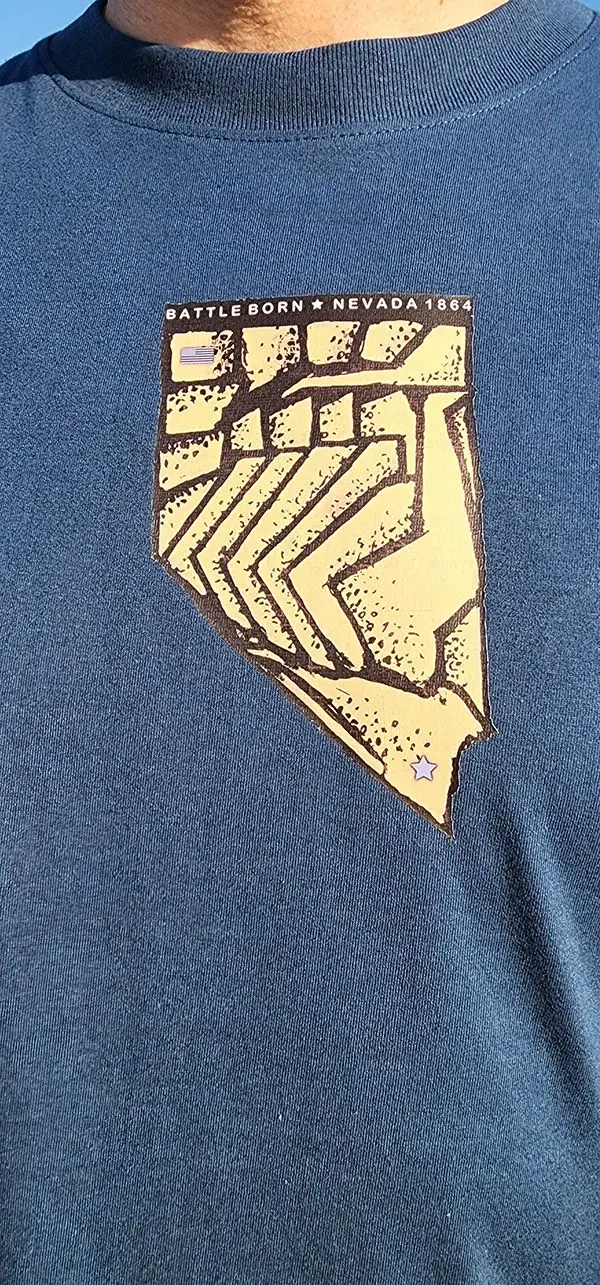
Streetwear was born in cool cities, and it often assumes layers: hoodies, jackets, heavy denim. Take that wardrobe to a hot, humid place and it stops working very quickly. The good news is that the style adapts easily. With the right fabrics, colours and proportions, you can keep your look and still feel comfortable.
What heat does to clothes
In hot weather, clothes have two jobs: let sweat evaporate and keep direct sun off your skin. Tight, heavy or non-breathable clothing does neither. In humid places, wet fabric also clings and feels uncomfortable, so fabric weight and cut matter more than usual.
Choose the right fabrics
| Fabric | In heat | Notes |
|---|---|---|
| Light cotton | Good | Breathable, soft, easy to care for |
| Cotton blends | Fair to good | Dry quicker, but can feel warmer |
| Linen | Very good | Airy, but wrinkles easily |
| Heavy cotton | Fair | Durable, but warm in strong sun |
| Synthetics | Varies | Technical ones can wick sweat; cheap ones trap heat |
For everyday T-shirts, light cotton is a reliable choice. If you sweat a lot, bring a spare shirt so you can change during the day.
Colours: light, but not only white
Light colours reflect more sunlight and stay cooler. Tan, desert sand, pale blue and white are all good choices. Mid-tones such as olive hide sweat and marks better than white. Dark colours absorb more heat in direct sun, but in the shade and in the evening they are fine. A good rule is to wear lighter colours on top, where the sun hits you, and darker colours below.
Cut and fit
Loose, slightly oversized T-shirts let air circulate and keep fabric away from your skin. Wide-leg shorts and light trousers do the same for your legs. Avoid tight collars, and choose shorter sleeves or sleeveless garments when it is very hot. A sleeveless hoody gives you a hood for shade without the heat of sleeves.
Six outfit formulas for hot days
- Desert sand T-shirt, dark shorts, white sneakers, cap. Light on top, grounded at the bottom.
- Tan T-shirt, olive shorts, simple sandals or sneakers. A calm earth-tone outfit.
- Blue T-shirt, pale jeans or light trousers, white sneakers. Cool and fresh.
- Sleeveless hoody, shorts, cap. Sporty and relaxed.
- Plain white T-shirt, light overshirt left open, dark trousers. For evenings when the air cools.
- Dark graphic T-shirt, light trousers, cap. When you want the print to stand out.
Protect yourself from the sun
Clothes are part of sun protection. A cap or a hat with a brim shades the face, a loose T-shirt covers the shoulders and sunglasses protect the eyes. In very strong sun, long, light, loose sleeves are better than bare skin. Use sunscreen on exposed areas and reapply it. Choose a hat with a wider brim if you will be outside for hours.
Choose shoes that breathe
Light sneakers with breathable uppers are more comfortable than heavy boots. Wear thin, breathable socks, or none with low-cut shoes. After a hot day, let your shoes dry fully before the next wear. Our shoe care routine explains how.
Washing and care in the heat
You will wash more often in hot weather, so use cold water and a mild detergent, turn printed shirts inside out and air dry in the shade. Hot water and strong sun fade prints and shrink cotton. If you travel, a quick hand wash in the evening keeps shirts fresh for the next day.
Accessories that help
- A cap or a hat with a brim
- Sunglasses
- A small towel or bandana for sweat
- A bag with a spare T-shirt
- A refillable water bottle
Dressing for humidity versus dry heat
Not all heat is the same. In humid places such as coastal cities, sweat does not evaporate easily, so breathable, loose clothing matters most. Choose light cotton, avoid anything that sticks to the skin and carry a spare shirt. In dry heat, such as desert regions, the sun is the main problem. Longer, loose, light-coloured clothes can actually feel cooler than bare skin, and a hat with a brim becomes essential.
Small details that make a difference
- Sleeves and collars: a slightly wider neckline lets heat escape.
- Hem length: a longer hem on a loose T-shirt gives sun protection for the lower back.
- Pocket choices: shorts with a secure pocket let you carry a phone without a bag.
- Socks: thin, breathable socks reduce the risk of blisters and odour.
- Underlayers: moisture-wicking or thin cotton underlayers help in very humid weather.
What to do when the evening turns cool
In many hot places the temperature drops quickly after sunset, especially near deserts or on the coast. A light layer such as an open overshirt, a thin hoodie or a sleeveless hoody with a hood gives enough warmth without being heavy to carry. Keep it in your bag, and you will be ready for both the afternoon and the evening.
Washing and drying quickly
In hot weather you will wear more shirts, so a simple routine saves time. Wash in the evening with cold water, turn printed shirts inside out and hang them in a shaded, airy spot. Light cotton usually dries overnight. Avoid leaving printed shirts in strong midday sun, because it can fade colours over time.
Keeping your style
Hot weather does not mean losing your identity. A strong graphic T-shirt, a good cap and clean shoes are enough to make an outfit feel considered. Keep the palette tight, the fit relaxed and the details few. In the heat, simplicity is also the most comfortable choice.
Find light-coloured T-shirts, caps and sleeveless hoodies in the Red+Baron collection.
FAQ
What fabric is best for hot weather?
Light cotton and other breathable fabrics are a good choice. Avoid heavy synthetics that trap heat.
Is black a bad colour for hot weather?
Dark colours absorb more heat in direct sun, but in shade and at night they are fine. Choose lighter colours for long hours in the sun.
How do I protect myself from the sun in a T-shirt?
Wear a cap or a hat with a brim, use sunscreen on exposed skin and choose clothes with more coverage during peak hours.