Handmade vs Mass-Produced Clothing: An Honest Comparison
Most clothing you can buy was made in a large run, in a factory, to the same specification as thousands of identical garments. Handmade clothing follows a different logic. Neither approach is simply good or bad, and a fair comparison has to include what each does well and what it costs. This one tries to be fair.
How each is made
Mass-produced clothing is designed to be repeated. A pattern is cut in large quantities, assembled on production lines and checked statistically. The goal is consistency, speed and low cost per item.
Handmade clothing is made piece by piece. A person is responsible for the cutting, the sewing, the print placement and the finishing. The goal is the individual item, not the batch.
The comparison
| Mass-produced | Handmade | |
|---|---|---|
| Consistency | Very high | Small variations are normal |
| Individuality | Low | High, often one of a kind |
| Price per piece | Usually lower | Usually higher |
| Cost per wear | Depends on quality | Often lower if worn for years |
| Availability | Immediate, many sizes | Limited, may take longer |
| Materials | New, large orders | Often small lots or upcycled |
| Author | Brand or factory | Named maker or artist |
Where mass production wins
Mass production is excellent for basics where you want identical items, such as white socks or plain tees in bulk, and for fast availability and low prices. If you need a pack of identical shirts for work, a factory product is perfectly sensible.
Where handmade wins
- Distinctive design. A handmade piece can be built around an idea, not a market trend.
- Attention to detail. One person checks the work, so finishing is considered rather than statistical.
- Smaller footprint. Small runs and upcycled materials reduce waste.
- Emotional value. People keep things that have a story.
What to expect honestly
Handmade is not a guarantee of quality, and a good maker will tell you what to expect. Look for clear photos, detailed descriptions (sizes, colours and style), a way to ask questions and a named author. Expect small differences between items and sometimes a longer wait.
What sustainability really means here
Handmade does not automatically mean sustainable, and mass-produced does not automatically mean harmful. What matters is how much is made, how long it lasts and what happens at the end of its life. Small-batch production can reduce overproduction, because items are made in limited quantities rather than speculatively in thousands. Upcycled materials reduce the demand for new resources. Durable construction and timeless design make the item last longer.
A fair summary: handmade and upcycled work can lower impact when the item is loved and used for a long time, and they are least effective when they are bought on impulse and discarded.
Questions to ask a maker
If you are considering a handmade item, you can ask these before buying.
- What is the item made of, and where do the materials come from?
- Is the item made to order or from stock?
- How long does production and delivery take?
- What are the exact measurements?
- How should I wash and store it?
- What happens if the size is wrong?
A good maker will answer clearly, and the answers help you judge quality.
Signs of quality in a handmade piece
- Even stitching with no loose threads.
- Symmetry where it should exist, such as sleeves and pockets.
- Clean edges and hems that lie flat.
- Print placement that is centred and sharp.
- Reinforced stress points, such as shoulder seams and pocket corners.
The role of the maker
One of the real differences is accountability. When a named artist or maker stands behind each piece, there is a person to talk to if something is wrong, and a reputation at stake. With large brands, responsibility is spread across many people and processes. This is not a guarantee of quality, but it often makes communication easier.
Why small details matter
When you hold a handmade piece, the small things stand out: the way a seam lies flat, how a print sits against the fabric, how a pocket is placed so it feels natural. These details do not show up in a thumbnail, but they add up to how a garment looks after a year of wear. A maker who cares about them is more likely to care about the rest.
How to look after a handmade piece
Treat handmade clothing like something you plan to keep. Wash gently, avoid heat, store it properly and repair small problems early. A loose thread or a small hole is easy to fix if you act at once and much harder if you wait. Looking after your clothes is also the most sustainable thing you can do, whatever their origin.
Is handmade always the right choice?
No. Basics you need in large quantities, items that must be identical or things you need immediately are better bought from regular shops. Handmade is a great choice when you want something distinctive, when you care about the story and when you are willing to wait a little and wear the item for years.
Finding the right balance in your wardrobe
A sensible approach is to mix both. Buy basics such as socks and plain tees from regular shops, and invest in a few handmade pieces that define your style. Over time, the handmade items become the ones you wear most and enjoy most.
Cost per wear
A $35 T-shirt worn 100 times costs 35 cents per wear. A cheaper shirt that is worn 10 times before it loses shape costs more per wear, even if it started cheaper. The simplest way to compare value is to ask how often you will wear it and for how long.
How to buy handmade wisely
- Choose a design you will still like in a year.
- Check the size details and ask for measurements.
- Read the care instructions and follow them.
- Buy fewer pieces and wear them more.
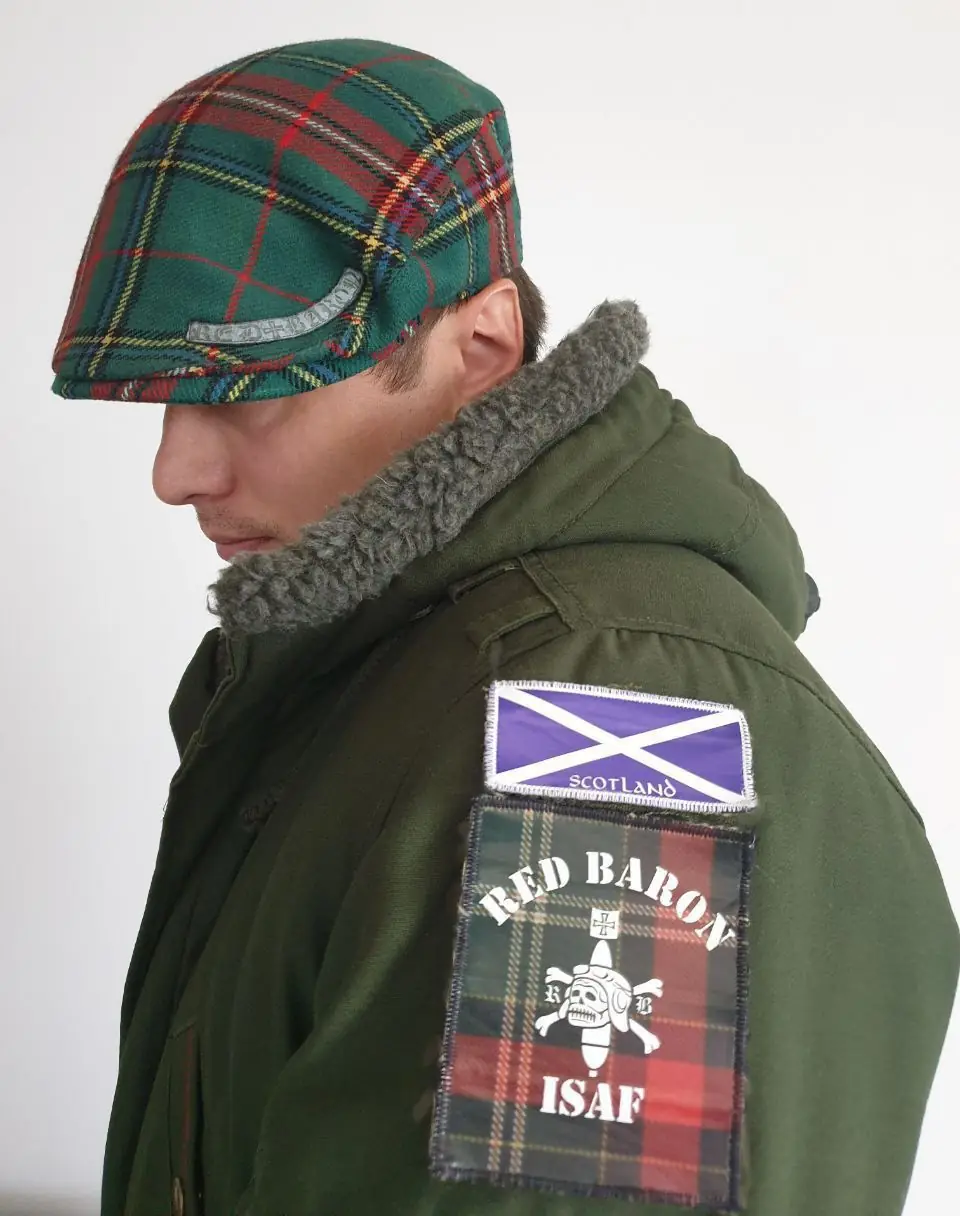
Red+Baron in this picture
Red+Baron is a handmade, upcycled brand founded by artist T.T. James Gastovski in 2009. Each design starts from a clear idea and is made piece by piece. If you want clothes with a point of view, take a look at the collection.
FAQ
Is handmade clothing more durable?
It depends on materials and workmanship, but individual attention to each piece often improves finishing quality.
Why do two items of the same design differ slightly?
Because each is made by hand, small variations are normal.
Is handmade always more expensive?
Not always. The price per piece may be higher, but cost per wear is often lower if you wear it for years.