Sneaker and Shoe Care Routine: Clean, Dry and Store Them Properly
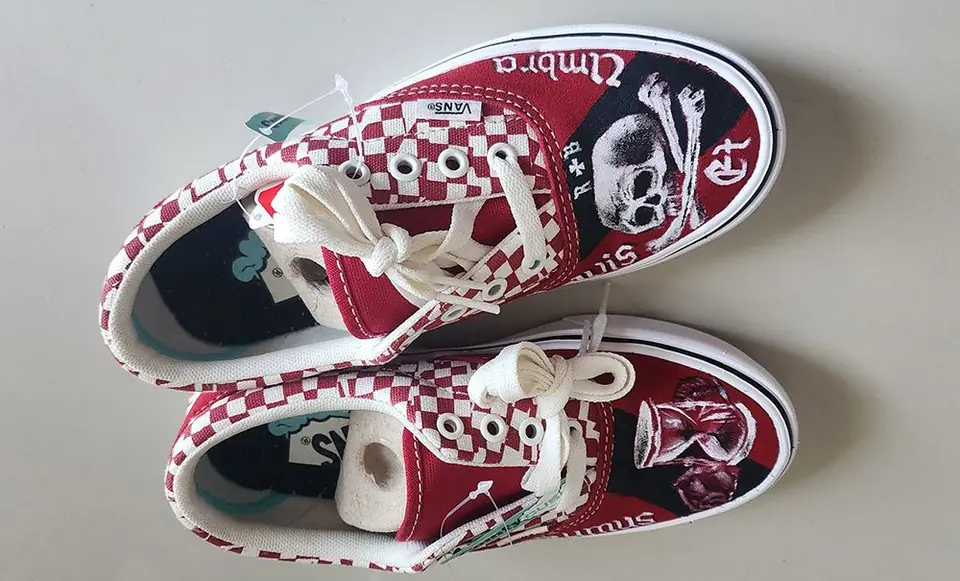
Shoes work harder than anything else in your wardrobe. They carry your weight, meet every puddle and still are expected to look good with every outfit. Yet most pairs fail not because they are poorly made but because they are cleaned badly, dried too fast or stored carelessly. This routine fixes that, step by step.
Check the material first
Before you touch the shoe, look at what it is made of. Canvas and knitted fabric tolerate water and mild soap. Smooth leather needs a damp cloth and a little conditioner. Suede and nubuck fear water and need a dry brush and a special eraser. Synthetic uppers are usually the easiest. Handmade or upcycled shoes can combine several materials, so test any cleaner on a hidden spot first.
If you are unsure, assume the most delicate option: dry brush, damp cloth, no soaking.
Remove laces and insoles
Take out the laces and, if possible, the insoles. They hold most of the sweat and smell, and they dry faster on their own. Wash laces by hand in warm water with a little soap, or place them in a small mesh bag in the washing machine. Insoles can be wiped with a damp cloth and left to dry in the air.
Brush off loose dirt
Dry dirt is easier to remove before it becomes mud. Use a soft brush to sweep dust and grit from the upper, the tongue and the sole. Clap the soles together to shake out stones. Skipping this step turns every cleaning session into a smear.
Clean the upper
Mix a small amount of mild soap with lukewarm water. Dip a soft brush or cloth, wring it well and clean in small circles, starting at the top and working down. Wipe off the foam with a clean damp cloth. Avoid pouring water into the shoe, because too much moisture weakens glue and spoils the lining.
| Material | What to use | What to avoid |
|---|---|---|
| Canvas, fabric | Soft brush, mild soap, lukewarm water | Hot water, bleach |
| Smooth leather | Damp cloth, leather conditioner | Soaking, strong detergents |
| Suede, nubuck | Dry brush, suede eraser | Water, wet cleaners |
| Synthetic | Damp cloth, mild soap | Solvents, abrasive pads |
| Rubber soles | Toothbrush, soapy water | Harsh chemicals |
Clean the soles and edges
White midsoles and rubber edges show every mark. Use an old toothbrush with soapy water, then wipe clean. For stubborn scuffs, a melamine sponge works gently on rubber, but test it first because it can dull glossy finishes.
Dry them the right way
Never dry shoes on a radiator, near a heater or in direct sun. Heat shrinks leather, cracks glue and warps soles. Stuff the shoes with white paper or a clean cloth to absorb moisture and keep their shape, then leave them in a ventilated room. Change the paper after a few hours. Most pairs need a full day to dry.
Protect and condition
Once dry, protect the shoes. Leather benefits from a thin layer of conditioner. Suede and fabric can be treated with a protective spray, applied outdoors from a distance. These products do not make the shoe waterproof, but they help dirt and water stay on the surface.
Fix common problems
- Creases in the toe box. Prevent them with shoe trees or stuffing, and avoid bending the shoe by hand.
- Yellowing on white soles. Often caused by sunlight and age. Regular cleaning slows it down.
- Loose stitching or peeling glue. Repair early at a shoemaker. Small repairs are cheap; large ones are not.
- Worn heels. Replace the heel tips before the sole is damaged.
- Smell. Air the shoes, wash the insoles and let everything dry fully. Baking soda overnight absorbs odour.
Store them well
Keep shoes in a dry, ventilated place, away from direct light. Do not pile them on top of each other, and avoid sealed plastic boxes for long periods because trapped moisture causes mould. Rotate between two or three pairs, so each pair can rest for a day or two between wears. Resting shoes last noticeably longer.
A simple weekly schedule
Care is easier when it follows a rhythm. Here is a schedule that takes only a few minutes at a time.
| When | What to do |
|---|---|
| After every wear | Air the shoes, loosen the laces and wipe off visible dirt |
| Once a week | Brush the uppers and soles and check the laces |
| Once a month | Do a full clean and condition leather or treat fabric |
| Each season | Check heels, soles and stitching, and repair small problems |
Protecting shoes before bad weather
Prevention is better than repair. Apply a protective spray before the rainy season or before a trip to a wet place, and let it dry fully. Avoid wearing your best pair on days with heavy rain. If shoes do get soaked, remove the insoles, stuff the shoes with paper and let them dry slowly at room temperature.
What to do about stains
Act quickly. For oil or grease, blot with a dry cloth and sprinkle a little baking soda or cornstarch to absorb it, then brush off after a few hours. For mud, let it dry and brush it away before cleaning with soapy water. For ink or dye transfer, test a small area first, because aggressive cleaners can damage the surface.
Laces, insoles and the small details
Fresh laces make an old pair look new, and they are cheap to replace. Insoles wear out sooner than the shoe itself. Replacing them improves comfort and removes odour. If the sole starts to separate at the toe, take the shoes to a repairer before the damage spreads.
When a pair has reached the end
Even well-kept shoes eventually wear out. If the sole is smooth, the structure is collapsing or the upper is torn beyond repair, it may be time to retire them. Keep the laces and insoles if they are still good, and consider donating pairs that are wearable but no longer right for you.
Choosing shoes that are worth the care
Care is easier when the shoes are well made. Look for even stitching, firmly attached soles and materials that suit your climate. A handmade pair has its own character, so treat it like a good jacket: look after it and it will repay you for years.
You can see the shoe designs in the Red+Baron collection, together with matching caps and T-shirts.
FAQ
Can I put sneakers in the washing machine?
Some can, but hand-cleaning is safer unless the care label allows machine washing.
How often should I clean my shoes?
Brush off dirt after every few wears and do a full clean whenever they look or smell dirty.
How do I get rid of shoe odour?
Air them out, remove the insoles and let everything dry fully. Baking soda inside overnight can also help.